Azelaic acid in skincare
Azelaic acid is a dicarboxylic acid with antibacterial, anti-inflammatory, exfoliating and brightening effects that helps with acne, rosacea and post-inflammatory dark spots. It is usually well tolerated, but in the first weeks it can cause temporary stinging, itching or redness. People with very sensitive skin should start with a lower strength, around 10%.
Frankly rating by skin type
It does not hydrate, and at first it can be slightly drying and stingy. Layer a cream with emollients over it.
Light gel formulas usually suit oily skin, and they help keep the odd breakout in check.
It usually absorbs well and does not weigh down the T-zone. If your cheeks sting in the first weeks, apply it every other day.
It is often tolerated better than other acids, but it can sting at first. Start with a lower strength every other day until your skin adjusts.
It reduces acne-related bacteria, calms inflammation and fades post-blemish marks.
In studies it reduces redness and inflammatory lesions in rosacea, and it reduced redness more than metronidazole 0.75%.
This is how the Frankly app rates this ingredient for each skin type. Beneficial means it helps that skin, Neutral that it has no particular benefit or drawback for it, Trade-offs that it has both, and Caution that it may irritate or harm it. In the app the rating also weighs your concerns and sensitivities.
What azelaic acid is
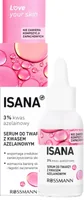
Azelaic acid is a naturally occurring dicarboxylic acid, produced among others by yeasts that live on the skin. Medicines use it at 15 and 20%, while cosmetics usually use lower amounts, most often up to 10%. Derivatives such as potassium azeloyl diglycinate dissolve more easily in water.
What it does for skin
Azelaic acid reduces acne-related bacteria, calms inflammation, normalises how the follicle lining sheds and inhibits tyrosinase, the enzyme needed to make melanin. A systematic review of 43 randomised trials found it more effective than vehicle for acne, rosacea and melasma, and in rosacea it reduced redness more than metronidazole 0.75%.
In a Delphi consensus study, cosmetic dermatologists recommended it for acne and dark spots. In a trial of a 15% gel it improved post-acne dark marks and redness over 12 weeks.
Safety and pregnancy
The most common side effects are temporary stinging, itching and redness in the first weeks. Frankly records this as a mild active-ingredient irritation, but it does not lower the verdict for any skin type. Medical reviews often list azelaic acid among the safer acne treatments in pregnancy, although it is worth deciding with your doctor. EU cosmetics law sets no limit for it.
EU rules
Azelaic acid is not listed in the restrictive annexes of Regulation (EC) No 1223/2009, so there is no specific maximum concentration in cosmetics. Products with 15 or 20% azelaic acid intended to treat acne or rosacea are authorised as medicines and fall under pharmaceutical rules.