Centella asiatica extract (cica) in skincare
Centella asiatica extract (cica) is a plant ingredient with soothing, anti-inflammatory and skin-repairing properties, valued in routines for sensitive and rosacea-prone skin. It is very well tolerated, but rare cases of contact allergy have been reported, so people with plant allergies should patch test first.
Also known as: cica, gotu kola, tiger grass
Frankly rating by skin type
It supports skin repair but does not add oil, so for dry skin it works best alongside emollients.
Light and non-comedogenic, it does not weigh down oily skin, although it does not control oil either.
Combination skin usually handles it well, both in the T-zone and on drier cheeks.
It soothes and calms inflammation, and allergy to it is very rare. It is one of the most common ingredients in cica products for irritated skin.
It does not clog pores, and its anti-inflammatory effect may ease redness around breakouts, though acne studies are few.
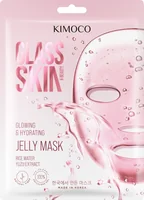
In a randomised trial, a centella mask used alongside standard treatment reduced flushing and dryness in rosacea.
This is how the Frankly app rates this ingredient for each skin type. Beneficial means it helps that skin, Neutral that it has no particular benefit or drawback for it, Trade-offs that it has both, and Caution that it may irritate or harm it. In the app the rating also weighs your concerns and sensitivities.
What centella asiatica is
Centella asiatica, also called gotu kola, is a plant used in traditional Asian medicine for wounds and skin conditions. Korean skincare made it popular under the name cica. Its main actives are triterpenes: asiaticoside, madecassoside, asiatic acid and madecassic acid.
On labels you may see the whole extract (CENTELLA ASIATICA EXTRACT) or isolated actives such as MADECASSOSIDE or ASIATICOSIDE listed separately.
What it does for skin
A 2021 review concluded that centella and its triterpenes have anti-inflammatory and antioxidant effects and support wound healing, including by stimulating collagen synthesis. Most of this evidence comes from lab and animal studies, and the author calls for longer, well-controlled clinical trials.
In a randomised trial of 64 patients with mild to moderate rosacea, a centella mask used three times a week alongside standard treatment improved overall severity, dryness and flushing, with no adverse events. The study tested a finished product containing several ingredients, though.
Safety
Centella extract is usually very well tolerated and is not restricted in the EU. Isolated cases of allergic contact dermatitis have been reported, and the authors describe centella as a weak sensitiser.
Frankly rates centella extract a good choice for sensitive and rosacea-prone skin and neutral for other skin types.
EU rules
Centella asiatica extract has no entry in the annexes of Regulation (EC) No 1223/2009, so EU law sets no maximum concentration or special conditions for it.